

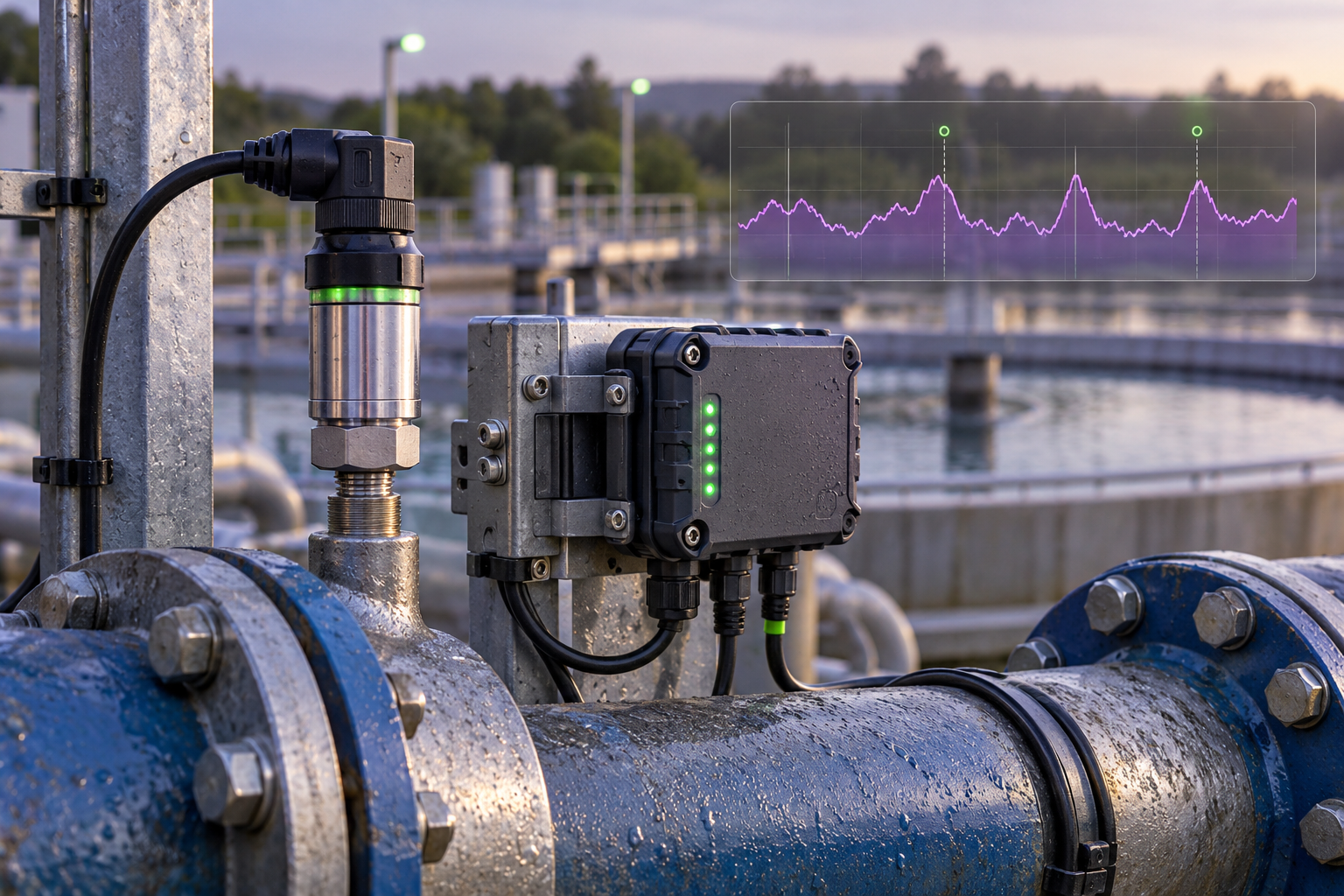
IoT & Sensors
Price range: $ 185 through $ 375
Design the sensor network a digital twin can rely on. Choose measurements, recognise sensor errors, clean time-series data, plan connectivity and power, and establish calibration, maintenance and security practices.
About this course
Design the sensor network a digital twin can rely on. Choose measurements, recognise sensor errors, clean time-series data, plan connectivity and power, and establish calibration, maintenance and security practices.
This foundation course is part of the Smart Cities, Digital Twins & Urban Systems school. Delivery: Self-Paced. Estimated study time: 10 h.
Course curriculum
- Module 1 — What to Measure, Where and How Often
- Module 2 — Sensors and Their Errors
- Module 3 — Time-Series Data
- Module 4 — Connectivity and Power
- Module 5 — From Readings to Twin State
- Module 6 — Calibration, Maintenance and Security
Applied learning
- Case Study — The Pressure Loggers That Disagreed with the Model
- Lab 1 — Design a Logger Network on a Budget
- Lab 2 — From Raw Messages to a Tidy, Flagged Table
- Lab 3 — A Month in the Twin: What It Saw and What It Missed
- Capstone — A Sensor Plan a Twin Can Rely On
Who this course is for
Student / Beginner; Engineer / Architect; Government Professional
Prerequisites
No prerequisite course is listed in the academy catalog.
Course details
- Course code: NE-DT-102
- Level: Foundation
- Estimated duration: 10 h
- Delivery: Self-Paced
Includes online course lessons and practice activities. Course scenarios use simulated data. Course materials are in pilot review.
| Training Delivery | Online Instructor-Led Training, Offline Instructor-Led Training |
|---|---|
| Level | Foundation |
| Duration | 10 h |
| Delivery | Self-Paced |
Related products
UAV, Photogrammetry & 3D
UAV, Photogrammetry & 3D
UAV, Photogrammetry & 3D
UAV, Photogrammetry & 3D

UAV, Photogrammetry & 3D
UAV, Photogrammetry & 3D
UAV, Photogrammetry & 3D
UAV, Photogrammetry & 3D
UAV, Photogrammetry & 3D
UAV, Photogrammetry & 3D

UAV, Photogrammetry & 3D
UAV, Photogrammetry & 3D